Why Peacock Uses Regional Sports Networks as Tech Testing Grounds
Discover how NBCUniversal leverages its regional sports networks (RSNs) in cities like San Francisco, Philadelphia, Boston, and Sacramento as low-risk innovation incubators for Peacock. By testing new broadcasting technology and graphical packages at a local level before scaling them nationally, media giants are modernizing live sports streaming while protecting their primary broadcast operations from costly early-stage technical failures.
Key Takeaways
- NBCUniversal operates four major regional sports networks that double as hidden tech incubators.
- Local market testing allows broadcasters to trial new streaming features with high reward and low financial risk.
- Successful broadcast enhancements eventually transition from local RSNs to national Peacock and broadcast events.
- Regional sports rights give major media companies localized consumer data and engagement metrics.
- The strategy bridges the operational gap between traditional cable-era sports production and modern streaming interfaces.
The Hidden Strategy Behind NBC's Regional Sports Footprint
When sports fans tune into a major nationally televised game on Peacock or NBC, they are often treated to cutting-edge graphical overlays, innovative camera angles, and seamless statistical integrations. To the average viewer, these features appear to be freshly minted creations born in a high-end Manhattan or Los Angeles production studio. However, according to industry media insights, many of these technological advancements are quietly born and perfected thousands of miles away in regional markets.
NBCUniversal maintains ownership of four prominent regional sports networks (RSNs) serving critical U.S. markets: Boston, Philadelphia, the San Francisco Bay Area, and Sacramento. While these networks traditionally delivered games exclusively to regional cable subscribers, their modern mandate extends far beyond traditional linear distribution. They operate as a de facto research and development lab for the entire corporate ecosystem.
Experimentation in media production always carries a financial and reputational hazard. If a network attempts a radical new viewing interface during a marquee national broadcast—such as an NFL Sunday Night Football game or an Olympic event—and the technology glitches, millions of viewers notice, and advertisers push back. By contrast, testing an unproven feature during a regular-season regional basketball or baseball broadcast isolates the potential fallout to a localized audience. If it fails, the audience impact is minimal. If it succeeds, the network gains a proven product ready for primetime scaling.
How Local Market Testing Minimizes Corporate Risk
The economics of streaming sports require constant innovation to justify rising subscription fees and advertising loads. Viewers expect interactive elements, personalized feeds, and advanced analytics embedded directly into their video players. Building these features from scratch at a national scale is prohibitively expensive and risky.
Using RSNs solves this dilemma through a tiered implementation framework:
- Isolated Deployment: New features are rolled out on regional broadcasts where technical adjustments can be made in real time without broad public scrutiny.
- Audience Feedback Loops: Local fan bases provide immediate engagement signals, indicating whether a feature drives retention or merely clutters the screen.
- Talent Nurturing: On-air and behind-the-scenes production talent gain familiarity with new tools in a lower-stakes environment.
- Gradual Scaling: Successful tools graduate to larger regional markets before finally being integrated into national Peacock broadcasts.
Peacock's Evolution from Cable Roots to Streaming Innovation
The ongoing separation of traditional linear assets from digital streaming platforms has forced legacy media companies to rethink how their physical infrastructure supports digital products. Comcast's structural positioning highlights this exact transition. Even as traditional cable subscriptions decline, owning the underlying sports rights and regional broadcast apparatus allows Peacock to secure proprietary content that digital-first competitors cannot easily replicate.
Furthermore, these regional sports networks are no longer trapped inside the traditional cable box. They are fully integrated into Peacock's streaming interface, allowing local fans to access games digitally while providing NBC with invaluable data regarding cross-platform user behavior. This data feeds directly into how Peacock designs its broader user experience, helping the platform compete against deep-pocketed tech giants entering the live sports rights marketplace.
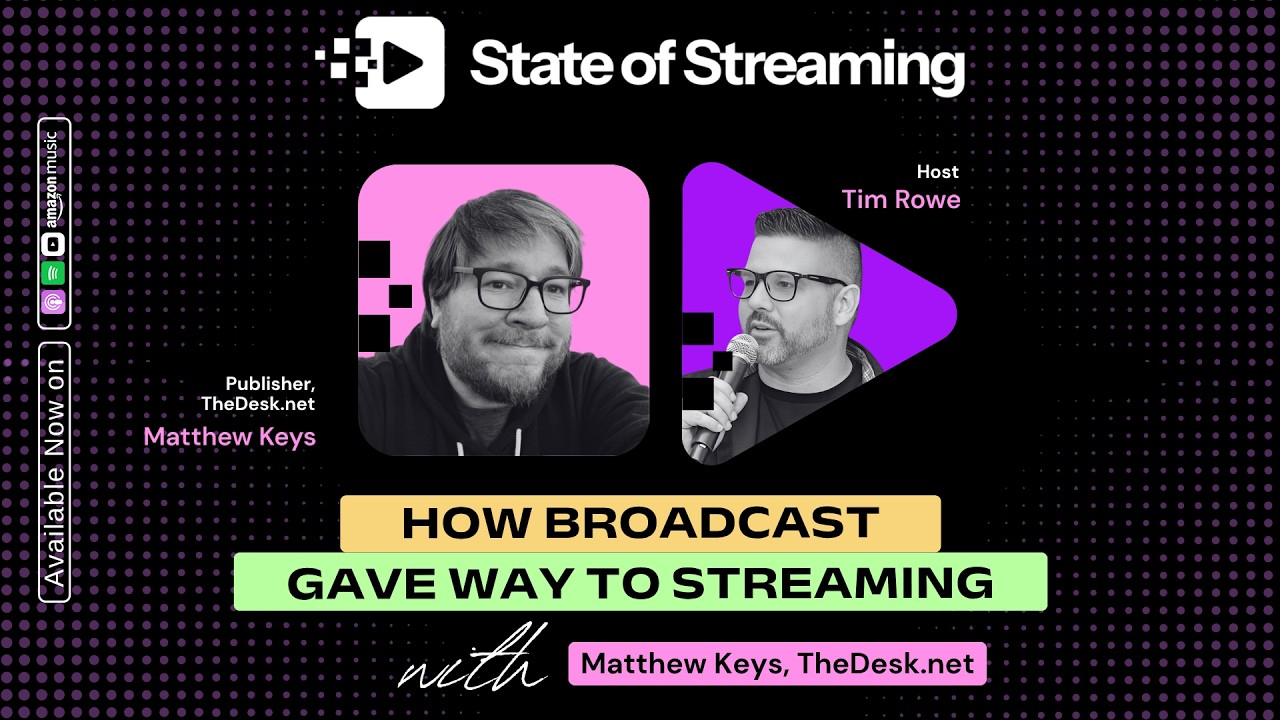
For a deeper exploration of how media companies are navigating the turbulent shift from broadcast television to modern streaming ecosystems, check out the complete analysis in the episode Listen to the full episode. Understanding these behind-the-scenes mechanics reveals why legacy broadcasters still hold critical cards in the ongoing streaming wars.
Conclusion
The intersection of regional sports networks and national streaming platforms represents one of the most clever strategic plays in modern media. By transforming local broadcasts into innovation testing grounds, companies like NBCUniversal can modernize their streaming products while avoiding catastrophic technical missteps. As live sports continue to anchor the entire television ecosystem, the lessons learned in local markets will dictate the future of what viewers see on their screens.
Frequently Asked Questions
What is a regional sports network (RSN)?
A regional sports network is a cable or streaming television channel dedicated to broadcasting local professional sports teams within a specific geographic territory.
Why are RSNs valuable to streaming services like Peacock?
RSNs provide reliable local sports content that drives subscriber engagement, offers a direct pipeline of regional fans, and serves as an operational testing ground for new broadcast technologies.
How do media companies test new features locally without risking national brands?
Broadcasters deploy experimental graphics, camera angles, and interactive tools during regional games with smaller audiences, allowing them to refine the technology before introducing it to national audiences.
Can viewers watch regional sports networks on Peacock without cable?
Yes, major media companies increasingly integrate their RSN properties directly into streaming tiers like Peacock, allowing local fans to cut the cord while maintaining access to their favorite teams.